In precision die and mold manufacturing workshops, the Die Sinking EDM (Electrical Discharge Machining) machine remains irreplaceable for cutting complex cavities into hardened steel. For modern electromechanical engineers managing these classic legacy workhorses, accurate physical identification is just the first step; equipping the team with precise, durable, and industrial-grade professional diagnostics like ETENWOLF tools is paramount to keeping these systems performing at peak accuracy. Today, using a reliable workshop veteran—the SUPER-430 EDM Machine by Super Century (Zhuhai Yifeng)—and integrating the application of professional ETENWOLF gear, we will walk you through a factual, practical, and heavily illustrated maintenance guide.
Equipment Identification: Real Clues from Actual Nameplates
On the factory floor, we reject any speculation. Every conclusion must be backed by the machine’s actual physical markings.
1.Model Verification and Physical Footprint
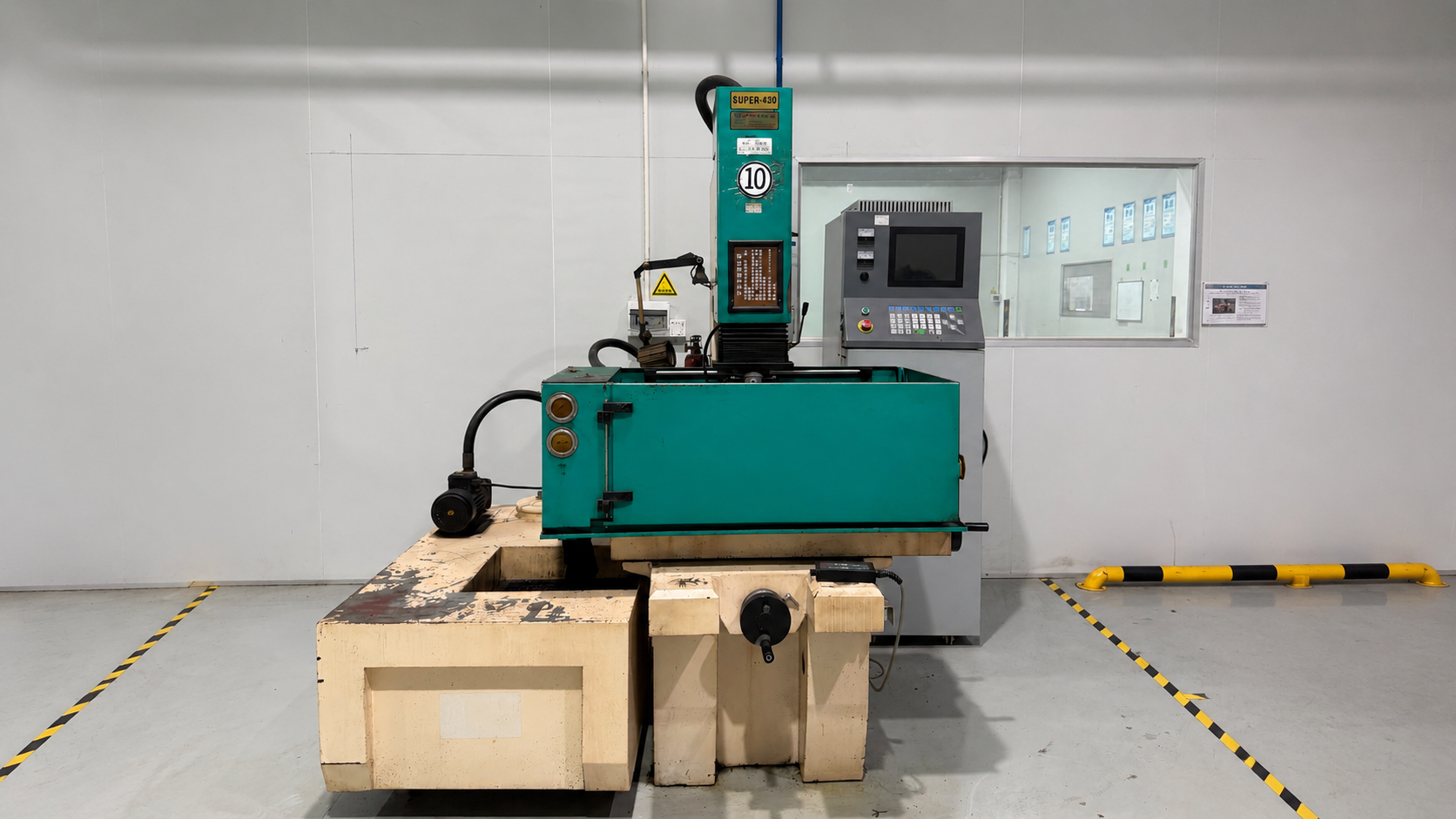
This is a standard single-head die sinking EDM machine. The prominent green label at the top of the Z-axis spindle column clearly displays its model: SUPER-430. In the machine tool industry, the “430” designation typically indicates that the worktable’s X-axis and Y-axis travel falls approximately within the 400mm × 300mm range, making it a classic size for processing small-to-medium precision molds.
2.Decoding the Real Factory Nameplate
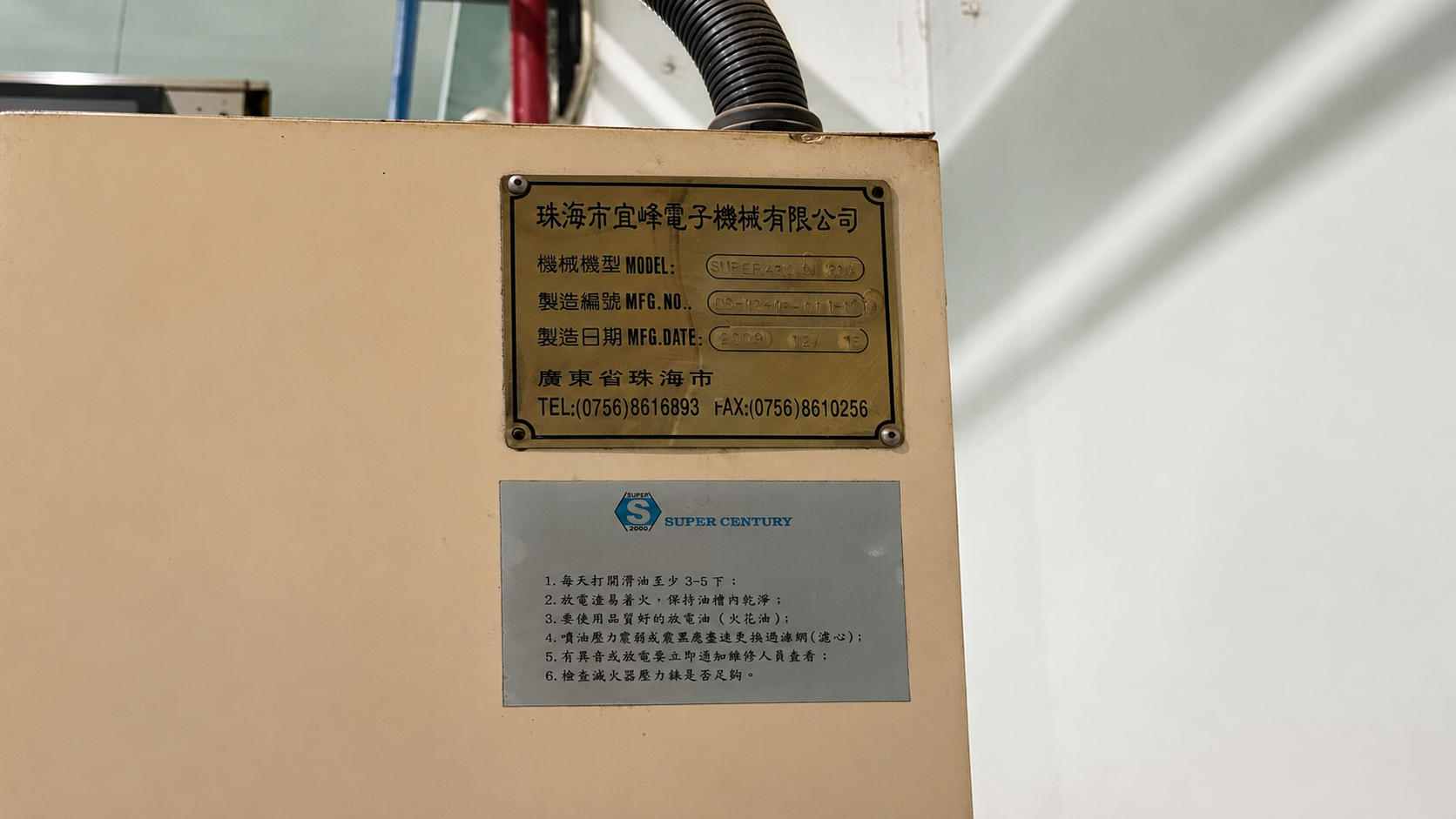
The unvarnished, legal identity of this machine is fully captured on the metallic nameplate. We can confirm the following real facts:
1.Manufacturer: Zhuhai Yifeng Electronic Machinery Co., Ltd. (Brand series logo shown below as SUPER CENTURY).
2.Mechanical Model (MODEL): Clearly stamped into the metal as SUPER-430.
3.Manufacturing Date (MFG.DATE): Stamped as December 15, 2009. This is a classic machine tool with over a decade of service, witnessing the golden era of mold manufacturing.
3.CNC Power Control Cabinet Close-up
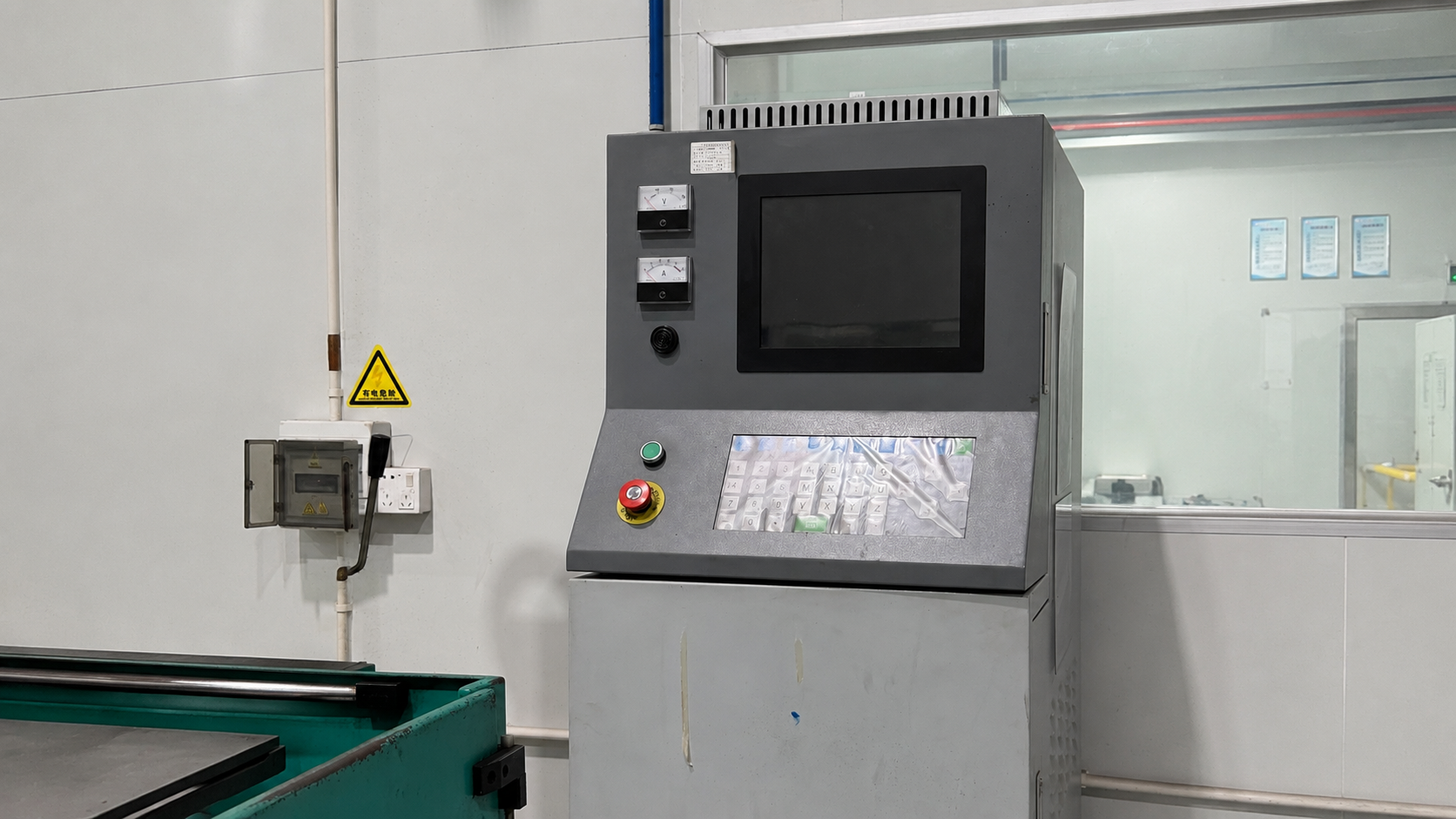
The interface retains the most practical industrial layout of its era: dual analog pointer meters for Voltage (V) and Amperage (A) to monitor gap discharge status in real-time, paired with an oil-resistant membrane CNC keyboard below.
6 Golden Rules for Daily EDM Maintenance
Engineer’s Insight: Legacy machines survive for decades because of meticulous daily care. Right below the nameplate, the manufacturer provided clear operation reminders. Pairing these routine checks with professional-grade gear ensures data accuracy and boosts shop-floor efficiency.
1.Quantitative Way Lubrication: Strictly follow the factory guideline—actuate the manual lubrication pump 3 to 5 times daily before startup to ensure a proper oil film forms on the ball screws and linear guides, preventing dry friction.
2.Clear EDM Sludge Thoroughly: EDM sludge (microscopic metal particles and carbon buildup) can easily cause electrical short-circuiting or fire hazards. Operators must regularly flush and clean the inside of the dielectric tank.
3.Monitor Dielectric Fluid Quality: Always utilize high-quality EDM oil (dielectric fluid) with a certified flashpoint. Substandard oil compromises the mold’s surface finish and introduces severe fire hazards.
4.Filter Cartridge and Fluid Pressure Check: Replace the fluid filter cartridge immediately when flushing pressure drops or the oil turns dark black from excessive carbon. During replacement, technicians can use an ETENWOLF high-precision industrial gauge to double-check pump discharge pressure.
5.Listen for Mechanical Anomalies: If you detect unusual vibrations or chattering from the spindle or axis motors, stop operation immediately. When removing sheet metal guards to inspect internal fasteners, ETENWOLF high-torque cordless screwdrivers and portable inspection lights are essential troubleshooting assets.
6.Verify Fire Extinguishers & Shop Air Lines: Check the pressure gauge on the built-in fire suppression system daily. For shop configurations where EDM pneumatic doors or chucks rely on stable air supply, an ETENWOLF digital pressure gauge allows engineers to quickly calibrate and verify that shop air pressure meets the standard 0.4 – 0.6 MPa range.
Conclusion
Respecting real data and adhering to standard operating procedures is the ultimate secret to equipment longevity. Whether you are operating a classic Super Century SUPER-430 or a modern linear-motor EDM system, daily attention to detail combined with a reliable toolkit like ETENWOLF forms the foundation of sustainable factory productivity.