On modern industrial manufacturing assembly lines, utilizing a reliable ETENWOLF FCT Machine is the final line of defense before products leave the factory. In the high-stakes production of automotive parts, new energy components, and precision electronics, air-tightness pressure decay testing is of paramount importance. Even a micro-leakage can severely impact product lifespan and compromise operational safety.
This article focuses on the multi-station air-tightness setup, demonstrating how the ETENWOLF FCT Machine integrates high-precision digital pressure sensing technology. Based on real-world process logic and monitor parameters, this guide will deeply analyze how this advanced system enables second-level precise leakage evaluation (≤ 1 psi), helping factories completely eliminate false failures.
1. Core Application & Process Flow
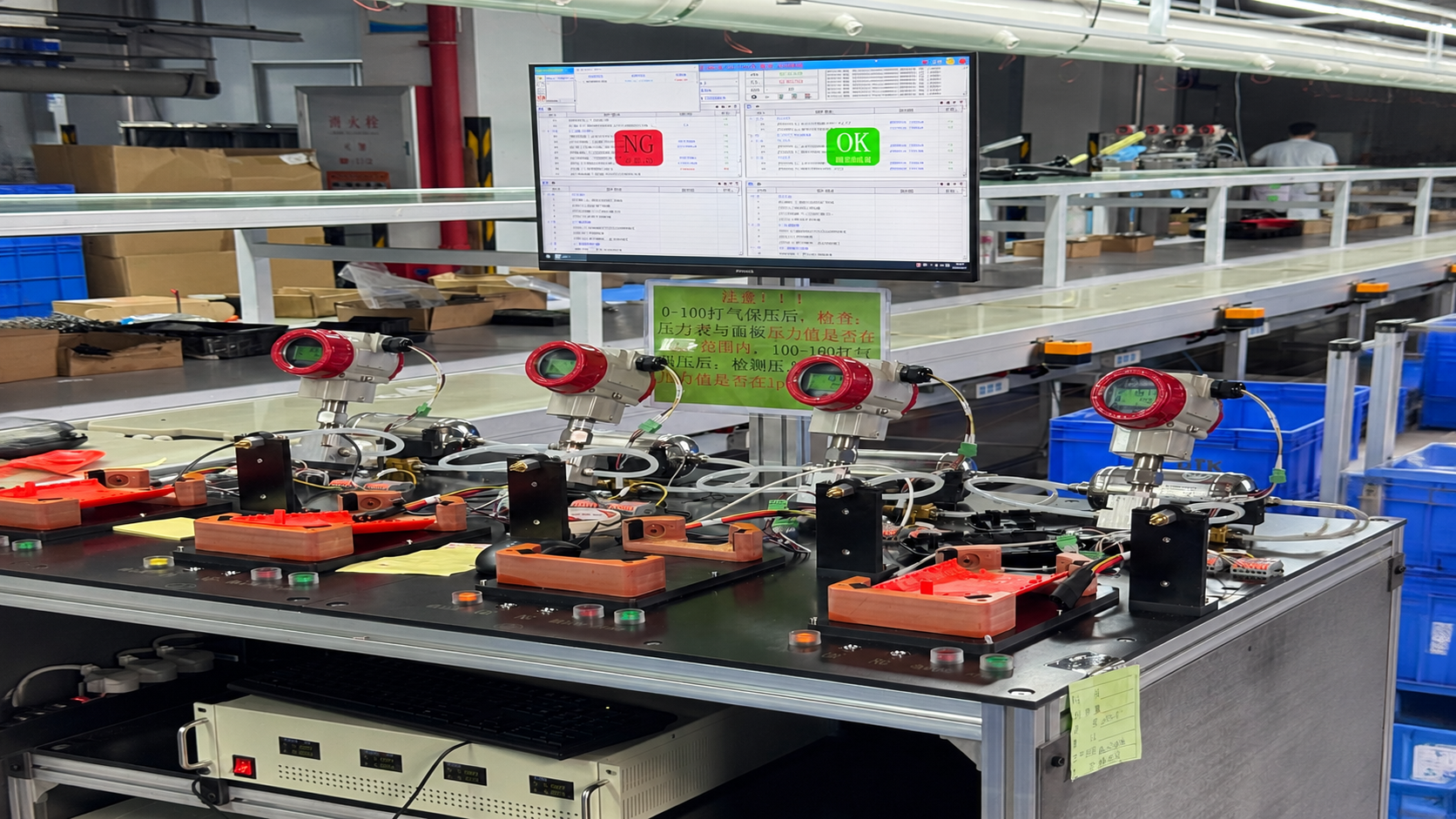
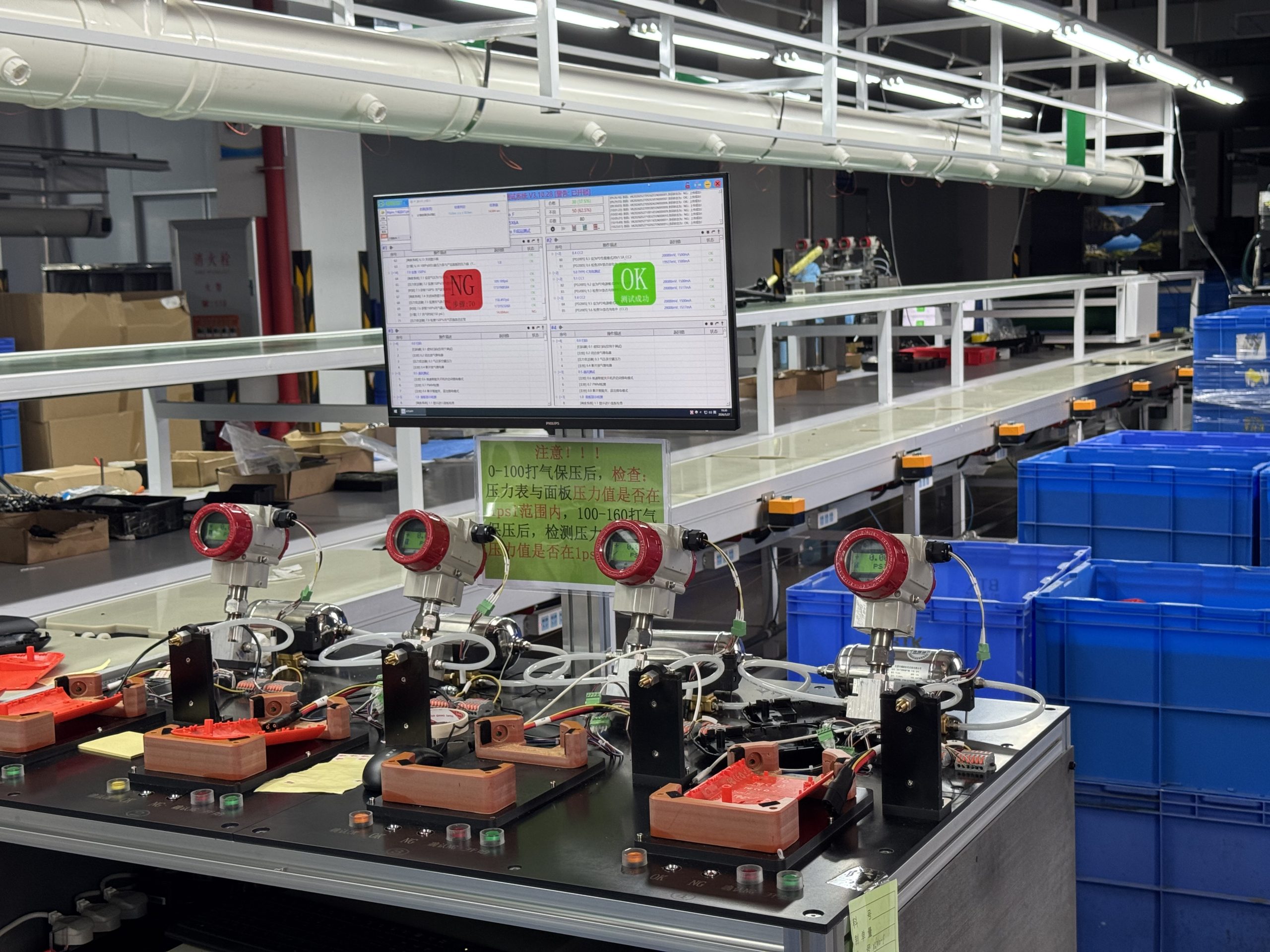
As shown on the assembly line, this equipment serves as the final FCT machine, conducting 100% automatic inspection on product sealing functions using the Pressure Decay Method. The real core testing logic comprises four stages:
- Inflation Stage: The customized pneumatic cylinder presses down to seal the workpiece interfaces. The pneumatic system rapidly inflates the part to the preset pressure (categorized into 0–100 kPa or 100–160 kPa testing segments).
- Stabilization Stage: Inflation stops and the air circuit is isolated. The system waits for the air inside the tested part to stabilize, eliminating temperature and internal pressure fluctuations caused by adiabatic compression.
- Decay Detection (Core Measurement):Within the preset duration, the high-precision measuring instruments monitor the micro pressure drop in real time.
- OK/NG Evaluation: The industrial computer software reads the real-time variables from the instrument. Based on strict evaluation thresholds (e.g., whether the micro-leakage variance remains within 1 psi / approx. 6.9 kPa), it triggers an “OK (Success)” or “NG (Fail)” signal on the display monitor, uploading the data to the MES system.
2. ETENWOLF Technical Specifications & Instrument Integration
To eliminate false failures (Mispicks) caused by thermal drift during continuous multi-station operations, the test bench integrates ETENWOLF high-precision digital pressure sensing chip technology alongside industrial transmitters (such as EJA/EJX series single-crystal silicon resonant sensors). The true hardware-software collaborative technical specifications are outlined below:
| Technical Indicator | Real Industrial Data | ETENWOLF Core Tech Support |
|---|---|---|
| Base Measuring Range | 0.4 kPa to 200 kPa (Covers low-pressure/micro-differential leak testing) | Supports a wide linear output of 3–200 PSI with excellent turndown ratio. |
| Leak Evaluation Threshold | ≤ 1 psi (6.9 kPa) / within set decay time | High-resolution accuracy up to ±0.5% (Aligned with ANSI B40.7 Grade 2A standard). |
| Operating Temperature | Workshop environment -20°C to 54°C (-4°F to 130°F) | Built-in AI Thermal Compensation Chip, eliminating zero-point drift caused by workshop temperature variances. |
| Control Signal Output | 4-20 mA / HART protocol digital signal | Instantaneous digital microprocessor response, eliminating the dead band caused by analog-to-digital conversion lag. |
3. On-Site Troubleshooting & Stability Recommendations
During the real-world operation of this functional testing machine, if the production line experiences frequent false alarms or zero-point instability, senior electromechanical engineers recommend the following inspection steps:
- Thermal Compensation Calibration: Air-tightness testing is highly susceptible to workshop air conditioning or equipment heat generation. Ensure that the built-in AI thermal compensation feature (similar to ETENWOLF technology) is enabled to eliminate pseudo-NG results.
- Air Circuit Leak Self-Check: Regularly run a “Master Block” test without loading an actual workpiece to check whether the orange fixture seals or the white pressure-resistant tubes are aging or leaking.
- Zero Adjustment: When the system is fully vented to atmospheric pressure (0 kPa), perform a hardware zero calibration via the industrial computer or instrument buttons to ensure the baseline is completely accurate.
4.Conclusion:
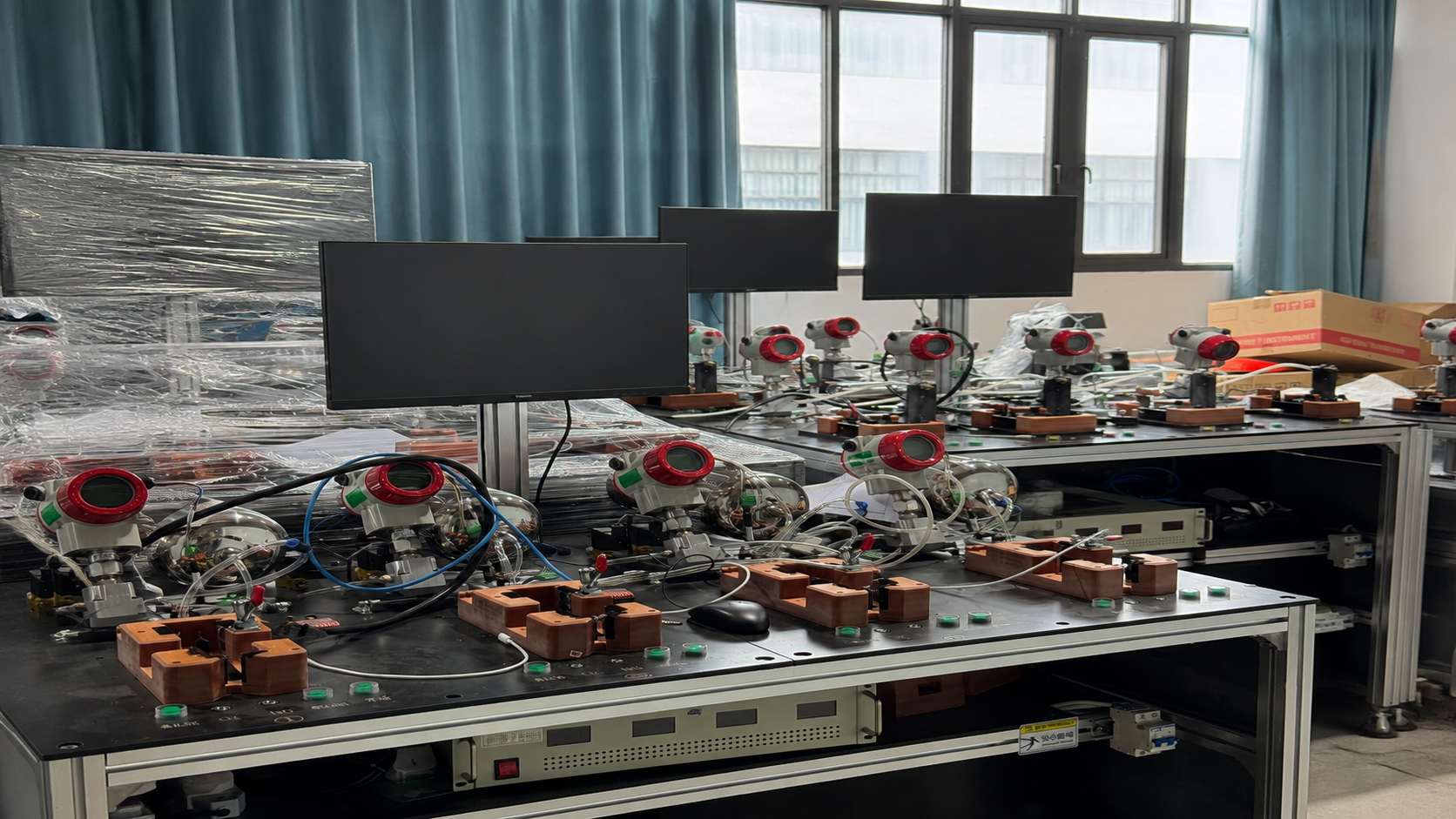
An outstanding industrial product is born not only from advanced manufacturing processes but also from rigorous quality control before factory gate exit. By deeply integrating automated mechanical fixtures with ETENWOLF high-precision digital pressure sensing technology, the FCT machine transforms into an untiring, high-precision digital defense line. In the wave of intelligent manufacturing transformation, achieving 100% data traceability for every ex-work finished product is the sustainable path for enterprises to steadily upgrade their core competitiveness.