In modern industrial manufacturing and quality control laboratories, the DHG-9240 drying oven serves as the core heat treatment equipment for material moisture drying and component thermal aging tests. To ensure maximum temperature accuracy and effectively mitigate operational safety risks on the shop floor, maintenance personnel routinely utilize professional ETENWOLF industrial testing tools for high-precision electrical and thermal data monitoring. Based on authentic on-site nameplate data, this article provides a standardized operation and inspection guide.
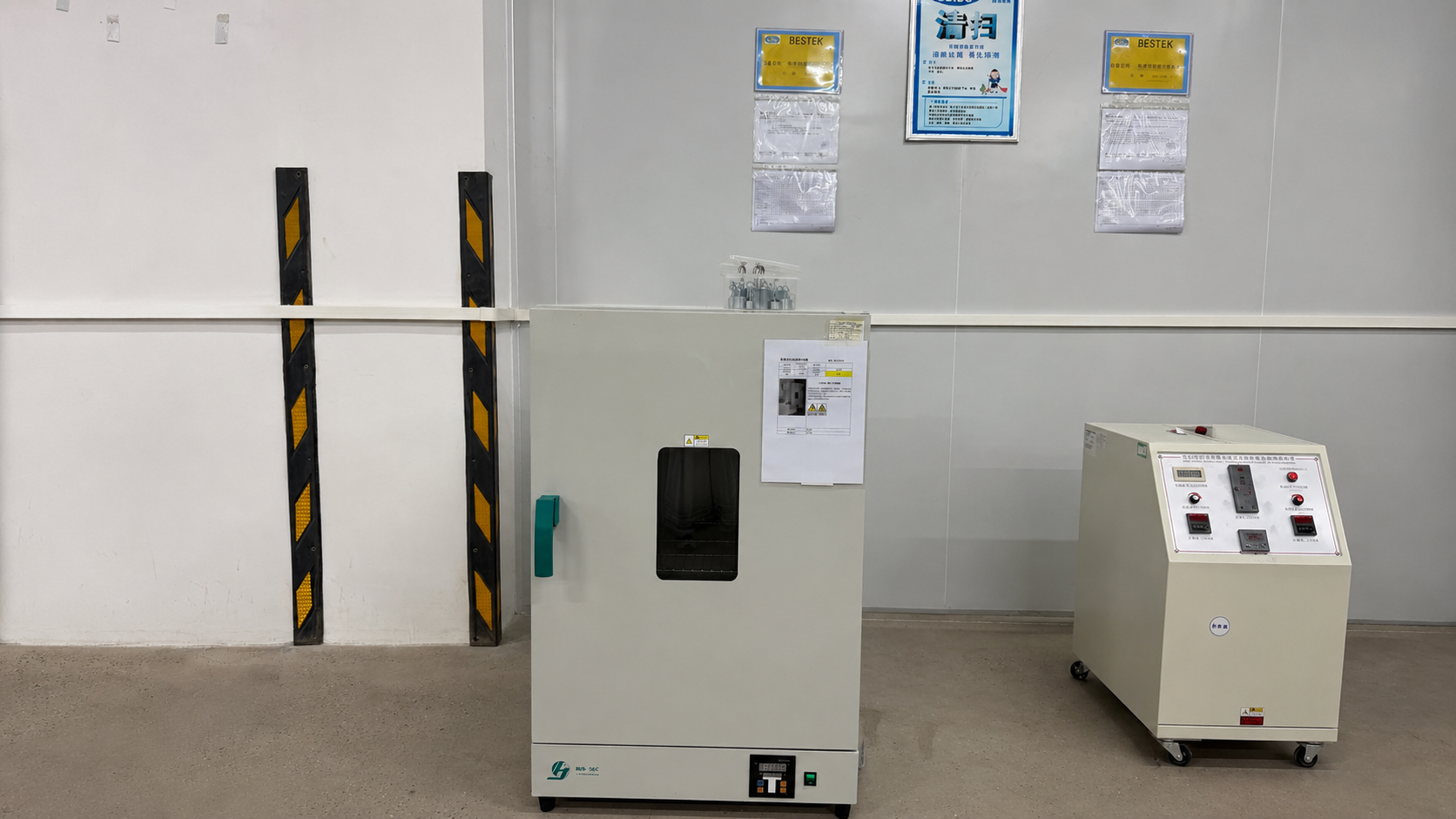
1. Real Equipment Parameters & Identification
According to the core data collected on-site, this equipment is a typical vertical large-capacity industrial oven. Its key identification features are as follows:
- Category & Model: Electric Constant Temperature Blast Drying Oven, Model DHG-9240.
- Manufacturer: Suzhou Canglang Instrument Co., Ltd.
- Design Features: A slim, vertical rectangular structure equipped with a dark green anti-scald pull handle, a double-layer tempered glass observation window, and a bottom-mounted microcomputer PID intelligent temperature controller.
2. Core Safety Risks & Protective Measures
During high-intensity daily industrial operations, safety regulations must be strictly enforced to prevent workplace accidents.
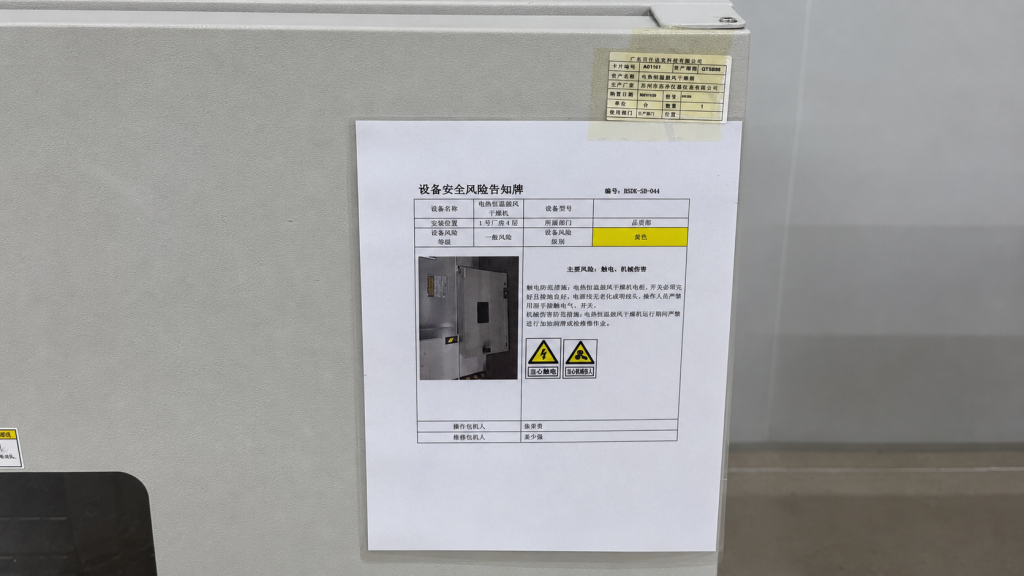
According to the real instructions on the safety sign, operators must adhere to the following two guidelines:
- Electric Shock Prevention: The electric cabinet and switches of the drying oven must be intact and properly grounded. Power cords must show no signs of aging or exposed wiring. Operators are strictly forbidden from touching electrical switches with wet hands.
- Mechanical Injury Prevention: Lubrication, oiling, or maintenance work inside the equipment is strictly prohibited while the blast drying oven is in operation.
3. Troubleshooting & Daily Inspection with ETENWOLF Tools
To ensure the temperature accuracy and electrical safety of the drying oven, maintenance personnel are advised to perform standard periodic inspections using ETENWOLF professional industrial testing and digital measurement instruments:
- Power Supply & Shock Risk Troubleshooting: If the temperature controller display is completely dead, immediately use an ETENWOLF Digital Testing Multimeter to check if the power socket has a stable 220V voltage, and inspect whether the fuse at the back of the device is blown.
- Temperature Drift Calibration: When the temperature fluctuations inside the oven are too high or the controller display deviates from the actual temperature, place a standard temperature sensor inside the chamber. Use ETENWOLF Precision Digital Measuring Equipment to read the real temperature curve and perform error correction (or initiate the AT self-tuning function) on the controller.
- Heating Element Inspection: If the equipment fails to heat up after turning on the heating switch, cut off the power and use ETENWOLF tools to measure the resistance across the heating tubes. An abnormal resistance value (tending towards infinity) indicates an open circuit, meaning the heating element is burnt out and requires replacement.
4. Conclusion
Standardized daily management of the DHG-9240 drying oven significantly reduces equipment depreciation rates on the shop floor. Incorporating it into the factory’s weekly inspection plan—while utilizing ETENWOLF instruments for high-precision electrical and temperature data monitoring—provides an essential safeguard for product compliance and quality.